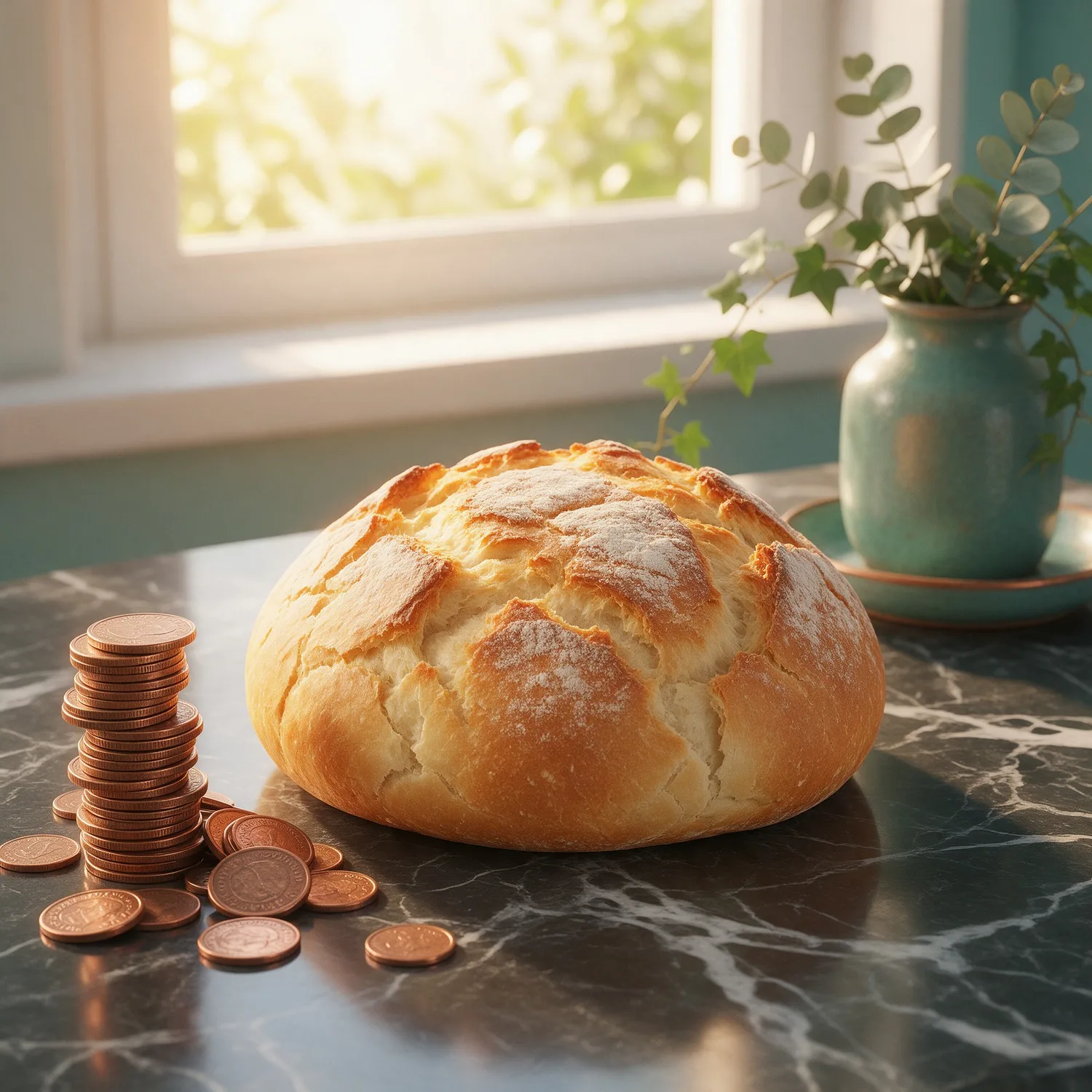
Supply and Demand for Breakfast artwork
Supply and Demand for BreakfastS1 · E10:4768 plays Members only

The 5 pound loaf: inflation, explained with bread

0:00 / 0:47

This episode is for members. Sign up free or log in to hear the whole episode.

RSS
Show notes

One loaf, ten years

The first episode follows a single loaf of Egyptian baladi bread across a decade of prices. Rania uses it to explain what inflation is, how it is measured, and why the official number and the number you feel at the bakery are so often different.

  • What a consumer price index actually counts, and what it leaves out
  • Why wages chase prices and usually lose
  • Subsidised bread: who pays, who benefits, and the hidden cost
  • Two causes of inflation that have nothing to do with printing money

Next week a Cairo baker joins to explain what happened to his flour costs in 2022.

Transcript
Good morning and welcome to Supply and Demand for Breakfast. I am Rania El-Sayed. For eight years I wrote economic reports in Cairo that were read by about forty people, all of them in finance. This show is for everyone else. Each week I pick one thing you buy before nine in the morning and use it to explain one idea properly. Today, bread. Specifically, a loaf of baladi bread, the flat round one, and what has happened to its price over ten years. By the end of this episode you will understand what inflation really is, why the number on the news never matches the number at your bakery, and why the usual explanation, that the government printed too much money, is only part of it. Pour your tea. You are listening on Witspeak Podcasts.
Open as text

More from Supply and Demand for Breakfast

S1 · E2Jul 24, 20260:47101 plays Preview

Why the same phone costs more in Lagos than in Dubai

A listener in Lagos paid nearly double the Dubai price for the same handset. Rania unpacks exchange rates, import duty and parallel markets using her own phone receipt as a worked example.